
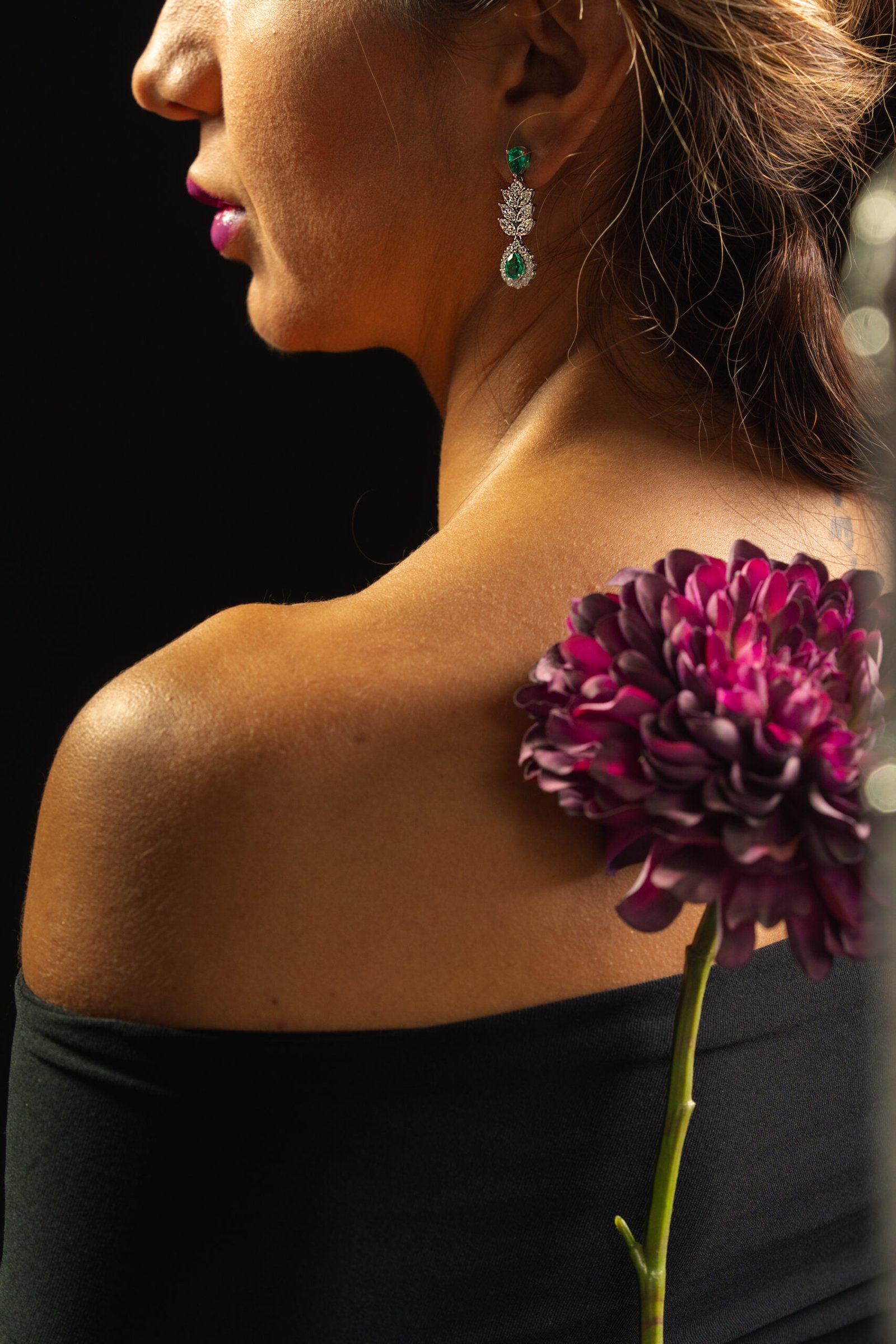

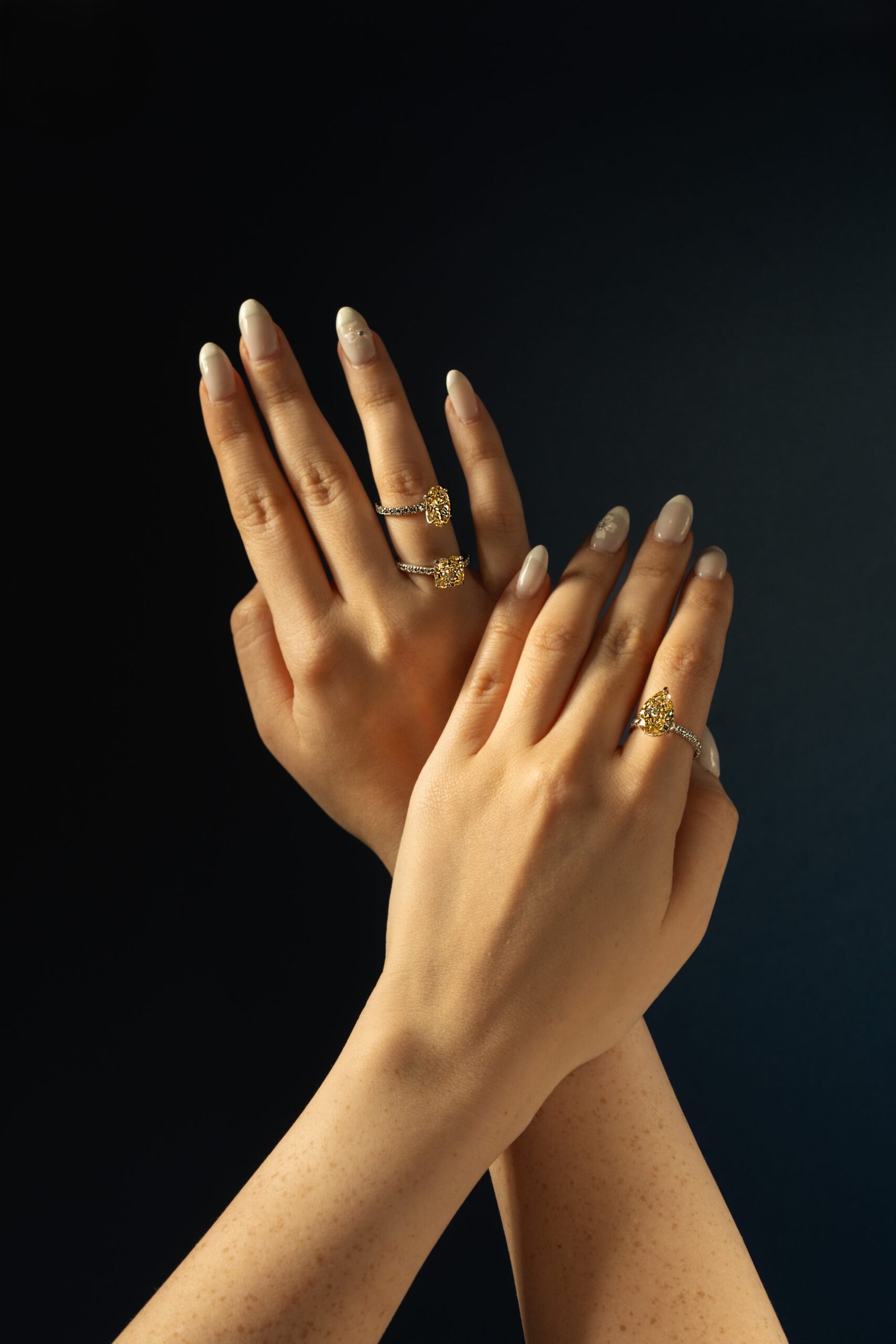
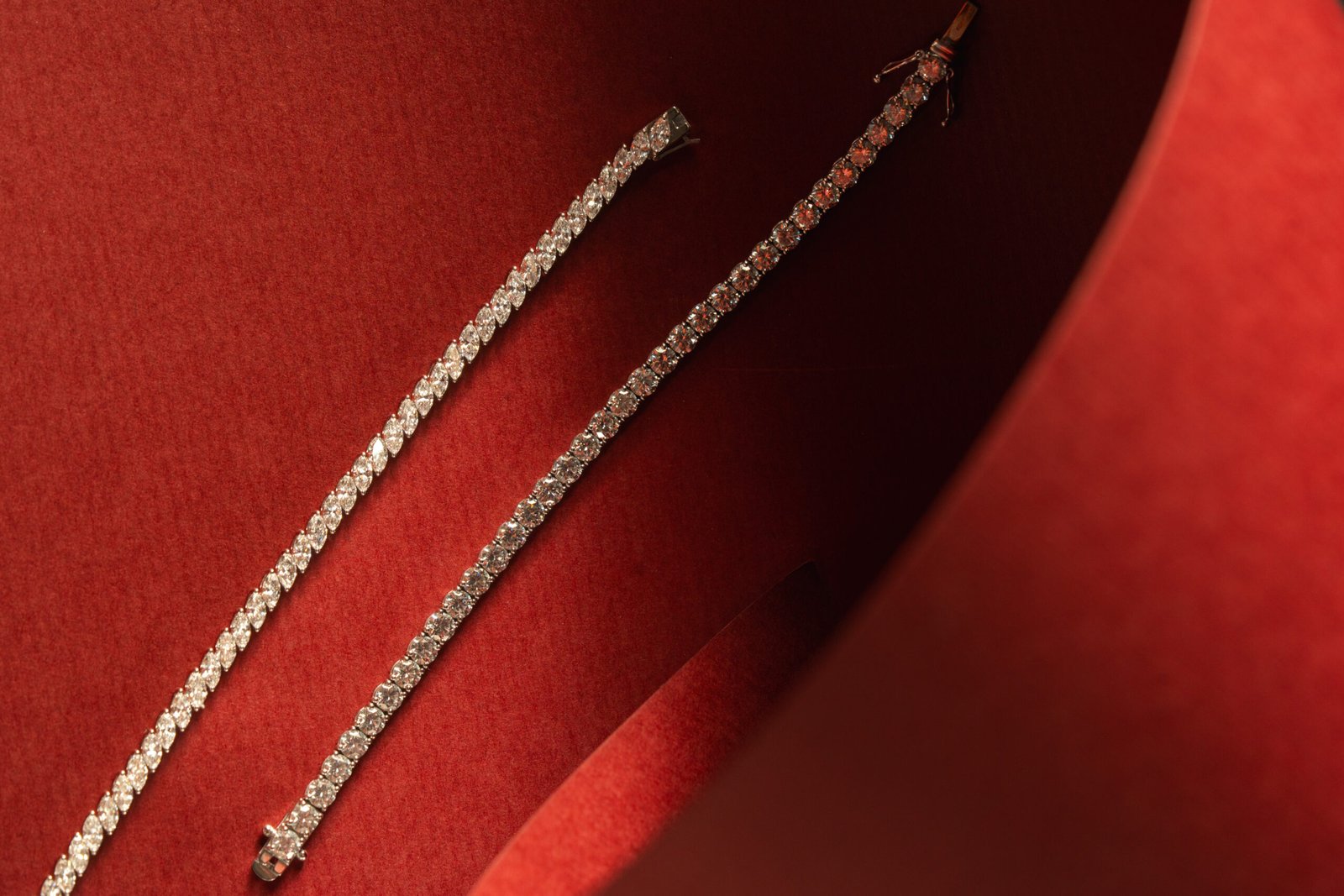
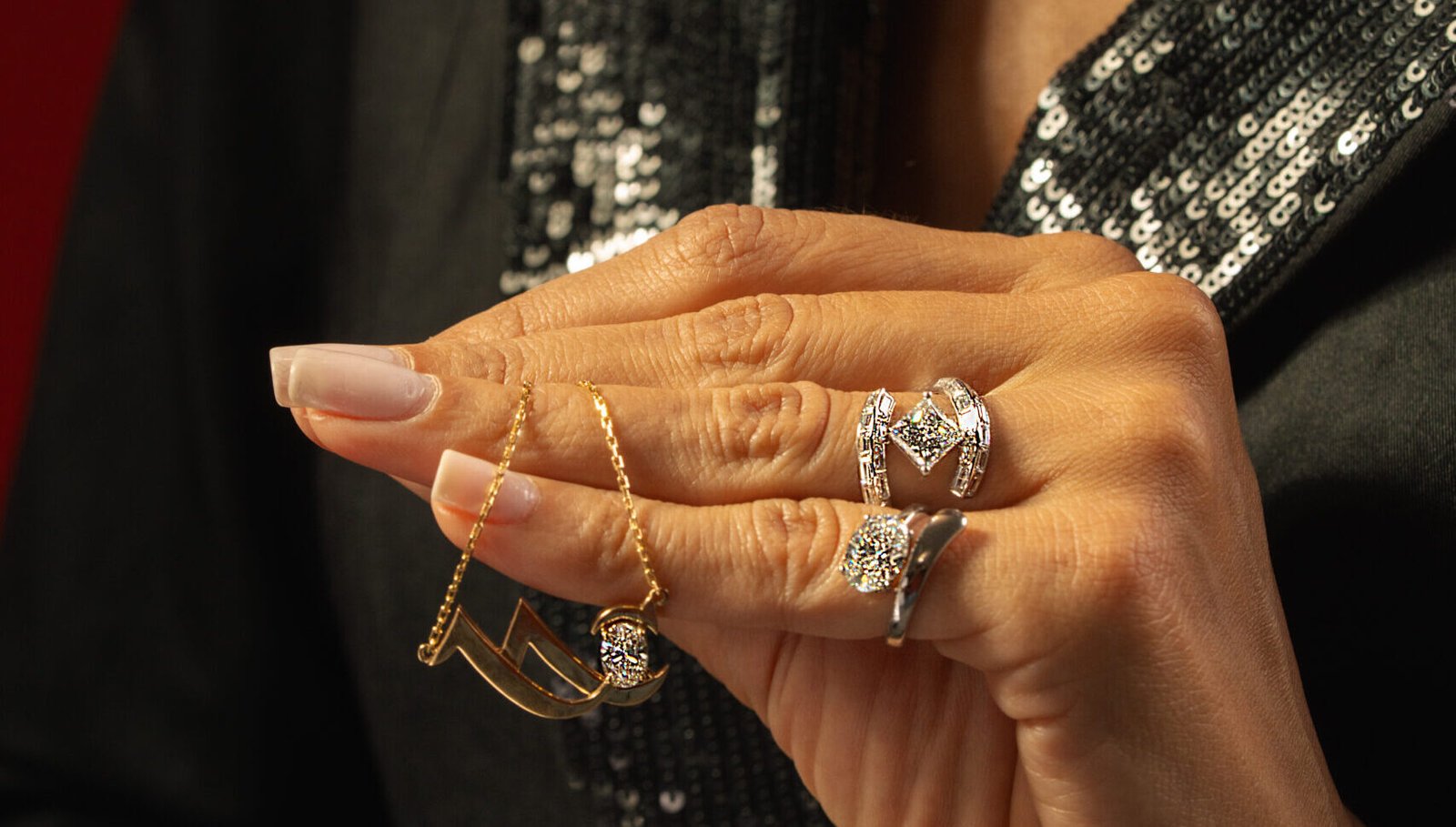


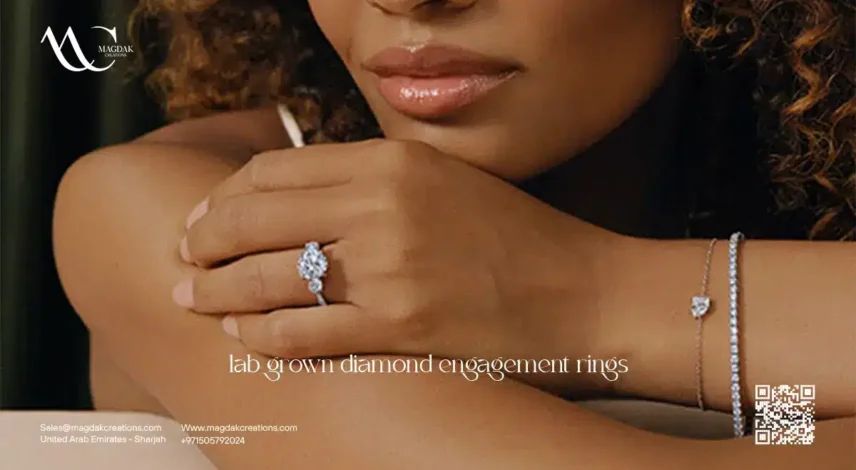

If you are a new bride and are looking for elegance, here are lab grown diamond engagement rings, which are one of the modern and soft options, as they are characterized by hardness and the same luster as natural stones. Do not look at them as not natural, as they are manufactured from real diamonds in a sophisticated and scientific environment that ensures you get an authentic piece.
Today, let’s dive into today’s journey and find out whether this ring is worth buying or not, what are the factors that make you buy it, the popular prices in the market, and you can get the most beautiful designs from the Magdak Creation store.
Lab Grown Diamond Engagement Rings Is Acceptable?
Yes, the lab grown diamond ring is very suitable for engagement, as it has the same sparkle and brilliance as natural diamonds, and it also has the same physical and chemical composition.
The main difference between lab grown diamond engagement rings and real stones is the method of formation, as real stones are manufactured by nature deep within the Earth and are the most expensive, while the other is manufactured under conditions that simulate the environment and are more affordable.
Are Lab Grown Diamond Rings Worth Buying?
Yes, the lab grown diamond engagement rings are worth buying, but it also depends on your preferences and interests in terms of budget, sustainability, ethical values, and investment:
Advantages
There are many advantages and factors that make you choose lab grown diamond rings:
- The cost of this type is lower than real diamonds by about 30% to 40% of the prices of natural diamonds, depending on clarity, color and size.
- They are characterized by their durability and strong brilliance while chemically and physically resembling natural diamonds, but this depends on the quality of the cutter.
- In terms of sustainability and ethics, it is better than natural stones, if it is manufactured in good working conditions.
- There are many options for this stone because it is cheaper than natural, so you can get a large ring with good clarity at a lower price than real diamonds.
Disadvantages:
The disadvantages that make you think a little before choosing lab created diamond rings are the following:
- When sold, its value is less than its value when purchased, so it is never a successful investment.
- Some people prefer natural diamonds because they are rarer than lab-grown diamonds and have an authentic history as well as sentimental symbolism in some cultures.
- Although they are more sustainable, they require a lot of energy to produce and require a lot of non-renewable resources, which limits the gains to the environment.
- The price of this jewelry decreases over time as a result of technological advances, and you should take this into consideration if you are considering buying it as an investment.
Read also: Diamond Solitaire Earrings: 4 Instructions To Maintain It
How Much Does A Lab Grown Engagement Ring Cost?
Lab grown diamond engagement rings price vary from store to other, but one of the best stores specializing in selling these rings is The Magdak Creations Store, with prices ranging from $1,500 to $9,974 depending on the carat weight, design, clarity, and other characteristics.
Common Celebrities With Lab Grown Diamond Engagement Rings
There are a lot of celebrities who chose the lab created diamond engagement rings, so you can be sure that there is a huge demand for those type of rings and there is a growing trend towards them, and here are the most prominent celebrities:
- Emma Watson: Reflecting her support for sustainable environmental choices, she showed up at her engagement party wearing this type of ring, which fits her eco-friendly principles perfectly.
- Meghan Markle: Another celebrity who is committed to sustainable choices, so she had her engagement ring redesigned to include two lab-grown diamonds.
- Paris Jackson: She wore a lab-grown engagement ring that weighed almost 3 carats and was made from recycled gold.
- Jessica Alba: A celebrity who has always advocated for environmental and ethical choices and yet she was seen wearing a lab-grown diamond engagement ring.
Check out: Pear Shaped Diamond Studs: Best Shapes & Prices in Magdak
Lab Grown Diamond Engagement Rings Near Me
If you are looking for lab grown diamond engagement rings nearby, the best choice would be Magdak Creation, and here are the most important features that make you choose them:
- It offers a range of unique designs such as Cushion Cut and others, making you have multiple options to suit your personal taste and preference.
- These rings are manufactured from high-quality materials, and this ensures that you get real gemstones at affordable prices and high purity.
- The store provides a specialized service to help you choose the right piece with the option to create a ring based on your own desire.
You can shop through this store in more than one way as follows:
- Heading to their website, browsing the available rings, and contacting them through Contact Us.
- Communicate directly with customer service for additional details or information regarding personalized consultations via Facebook.
- You can also contact them via the instant messaging service WhatsApp.
- Send a direct message on their official Instagram account.
Learn about: Oval Diamond Ring: Best Tips To Choose It
Conclusion:
Finally, we reached the end of the journey with lab grown diamond engagement rings, as it is a wonderful future for the bride that combines beauty and conscious luxury, and it is an economical option for gemstone lovers as it is not natural but not much different from real diamonds in its brilliance and shine.
FAQ:
Are Lab-Grown Diamonds Of Lower Quality Than Natural Ones?
No, they are identical in hardness and chemical structure, but the difference is in the method of formation and price value.
Are Lab-Grown Diamonds A Good Investment?
In fact, they are not a good investment because their price when selling is lower than buying.
Are Lab-Grown Diamonds Environmentally Friendly?
Yes, of course, as they consume fewer resources when manufactured and do not negatively impact the environment by participating in harmful mining processes and are therefore considered environmentally friendly.


